
Introduction: The Transparency Paradox
Imagine it’s a Friday night. You’re hungry, so you pull out your phone and order a $25 pepperoni pizza. Within seconds, you have a confirmation. You can see exactly when the dough is being rolled, when it’s in the oven, and the moment the driver pulls out of the parking lot. You even see a little car icon moving toward your house on a map. You know exactly when it will arrive, what it will cost, and who is bringing it.
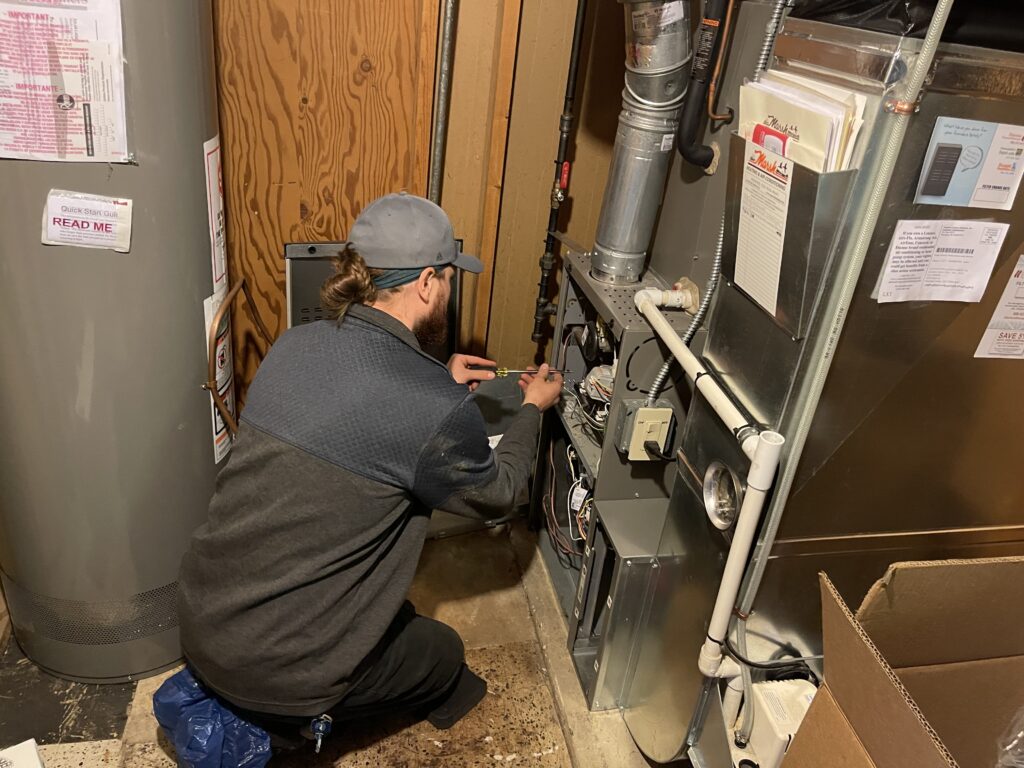
Now, imagine it’s a Tuesday in the middle of a Winnipeg winter. Your furnace just died. You’re looking at a potential $5,000 repair or replacement. You call a service company, and they give you the dreaded “four-hour window”—somewhere between 12:00 PM and 4:00 PM. You’re forced to take a half-day off work, sitting in a freezing house, with zero visibility into whether the technician is five minutes away or hasn’t even left their previous job.
Why is it that a $25 pizza offers a world-class user experience, while a $5,000 home emergency feels like a journey into a black hole?
The High Cost of Inefficiency
This isn’t just a minor inconvenience for homeowners; it’s a systemic failure in the field service industry that costs businesses billions. According to recent industry data, meeting customer expectations is now the leading challenge for 74% of field service leaders . In an era where “Uber-like” transparency is the gold standard, traditional service models are falling behind.
The “waiting game” doesn’t just frustrate customers—it kills operational efficiency. When customers don’t know when a tech is arriving, they aren’t ready. Technicians waste time calling for directions or waiting for homeowners to answer the door.
“Customers who receive proactive service updates are 3.5 times more likely to recommend a service provider. The data shows that appointment transparency is the single biggest driver of customer loyalty in 2026.”
A Better Way: Closing the Communication Gap
The technology to solve this problem isn’t exclusive to global giants like Uber or SkipTheDishes. The “Uber-like” experience is about three core pillars: Real-Time Tracking, Automated Communication, and Operational Transparency.
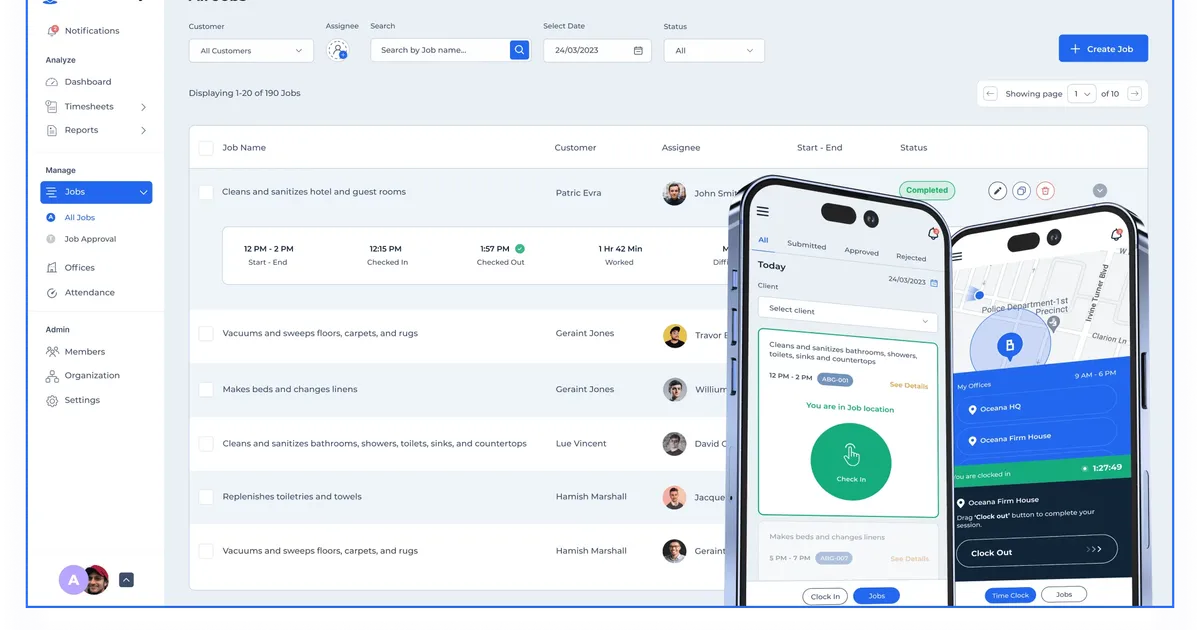
By implementing smart field operations software, companies can automate the entire customer journey. Instead of a vague window, the customer receives a text message the moment the technician is en route, complete with a live tracking link and an accurate ETA. This doesn’t just make the customer happy; it ensures they are at the door when the tech arrives, reducing “no-show” rates and increasing the number of jobs a technician can complete in a day.
The “Uber-Like” Experience in Action: NVC360
This is where NVC360 changes the game. We’ve built a platform that allows any field service company—whether you have 5 technicians or 5,000—to offer the same high-end experience as the world’s leading tech companies.
Imagine this scenario with NVC360:
1.The Dispatch: Your furnace dies. You book a repair online.
2.The Confirmation: You immediately get a text with your appointment details and a link to your “Customer Portal.”
3.The Arrival: When the tech is 15 minutes away, you get a notification: “John is on his way! Track his arrival here.” You see John’s photo and his real-time location on a map.
4.The Service: John arrives, takes photos of the faulty part, and uploads them to the portal. You see exactly what’s wrong and approve the $5,000 quote digitally.
5.The Completion: You pay on-site via your phone, receive a digital receipt, and John is off to his next job.
No waiting, no guessing, and no half-days wasted.
Conclusion: The Future of Field Service is Transparent
The gap between the “pizza experience” and the “furnace experience” is closing. In 2026, customers no longer compare you to your direct competitors; they compare you to the best service experience they had that week—whether that was a ride-share, a food delivery, or a high-end retail purchase.
Embracing transparency isn’t just about being “nice” to customers; it’s a competitive necessity. Companies that provide real-time visibility see higher margins, lower labor costs, and significantly higher customer lifetime value.
Ready to transform your field service operations?
Request Beta Access to NVC360 and start delivering an “Uber-like” experience to your customers today.
References
[1] The definitive guide to field service trends in 2026
[2] 25 Field Service Management Statistics That Will Change How You Run Your Business
Codere MX is my go-to for online gaming in Mexico! Super reliable and a ton of fun. Check it out for a great time. codere mx
Want a quick game to download? pk555gamedownload is where you can find some cool ones. Simple to use and lots of interesting options! pk555gamedownload
Been using xoplay.ph for a while now and gotta say, it’s pretty decent! If you’re from the Philippines, give it a look! I enjoy it. xoplay.ph