

Introduction: The Problem with Waiting
In an era where you can track a $15 pizza from the oven to your doorstep, the days of the vague “four-hour service window” are not just numbered—they’re actively costing businesses customers and revenue. Today’s consumers, shaped by the seamless experiences of apps like Uber, expect instant gratification and real-time transparency from every service provider, including your field service business. The problem? Many companies are still operating with outdated communication methods, leading to frustration and inefficiency.
The High Cost of the Communication Gap
This disconnect between customer expectation and service delivery creates a significant burden. Annually, 1.02 billion hours are lost by US homeowners waiting for service appointments, a staggering figure that highlights a systemic inefficiency . This isn’t just an inconvenience; it’s a direct hit to customer satisfaction and a breeding ground for negative reviews.
“Customers no longer tolerate vague appointment windows. FSM software now delivers real-time updates…” – Brocoders (2026)
Furthermore, internal communication breakdowns contribute to substantial operational losses. 48% of rework is caused by miscommunication within field service teams [NVC360 Internal Data]. This not only impacts profitability but also damages your brand’s reputation for reliability. The demand for real-time information is so pervasive that 1 in 3 clients explicitly comment on live tracking and ETA updates when provided, underscoring its impact on customer perception [NVC360 Internal Data].
A Better Way: Bridging the Technology Divide
The good news is that the technology to meet these heightened expectations exists. Field Service Management (FSM) software, particularly solutions that offer real-time communication and tracking, is transforming the industry. These platforms enable businesses to provide automated ETA notifications, live technician tracking, and two-way messaging, mirroring the
seamless experiences consumers have come to expect from larger brands.
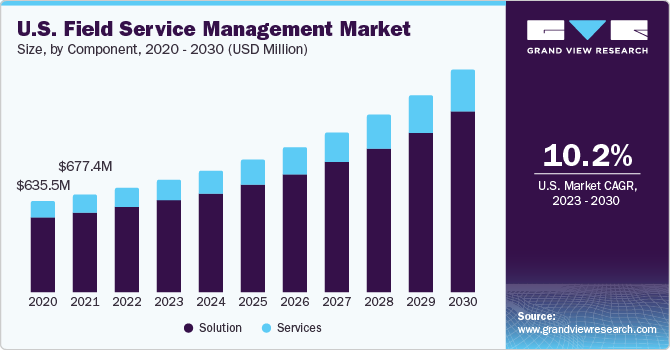
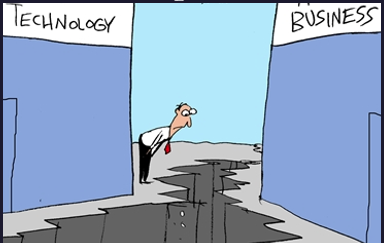
While large enterprises often have the resources to develop bespoke solutions, a significant technology gap exists for small to medium-sized field service businesses. These smaller companies, which are the backbone of many local economies, are often 50% less productive than large companies in the US . This productivity disparity is often exacerbated by a lack of access to affordable, integrated technology that can centralize data and streamline operations. Enterprise-level FSM software can be prohibitively expensive, ranging from $60-$350 per seat per month, making it a significant barrier for smaller crews .
However, the market is evolving. Solutions like NVC360 are specifically designed to bridge this gap, offering robust, real-time field intelligence without requiring businesses to replace their existing CRM, accounting, or payroll systems. This minimizes disruption and accelerates ROI, making advanced field service management accessible to businesses of all sizes.

The “Uber-Like” Experience in Action
Imagine a scenario: a customer’s HVAC system unexpectedly fails. Instead of a frustrating phone tag and a vague service window, NVC360 empowers the service provider to:
1.Dispatch Smarter: Instantly assign the closest, most qualified technician based on skills and availability.
2.Communicate Proactively: Automatically send the customer an SMS and email with a live ETA and a link to track their technician’s progress, just like tracking a ride-share or a food delivery.
3.Ensure Transparency: Provide the technician with all necessary job details, site notes, and checklists via a mobile app, ensuring a first-time fix and reducing rework.
4.Close Jobs Digitally: Allow technicians to collect approvals and payments on-site, with all records securely stored, eliminating delays and paperwork.
This level of real-time visibility and two-way communication transforms the customer experience, turning potential frustration into satisfaction. It also significantly boosts operational efficiency, leading to an average 20% reduction in field labor costs for NVC360 clients [NVC360 Internal Data].
Conclusion: The Future of Field Service is Now
The “Uber Effect” has fundamentally reshaped consumer expectations. Businesses that embrace real-time communication and advanced field service management software are not just meeting these expectations; they are exceeding them, building stronger customer relationships, and driving operational excellence. The technology gap for smaller companies is closing, thanks to accessible and integrated solutions that empower them to compete with larger players.
It’s no longer a question of if your customers demand real-time service, but when you will deliver it.
Ready to transform your field service operations?
Request Beta Access to NVC360 and start delivering an “Uber-like” experience to your customers.
References
[2] McKinsey & Company (2024). “America’s small businesses: Time to think big.” Available at:
[4] BuildOps (2025). “Field Service Software Pricing Guide.” Available at:
Apptk88 is pretty good, actually. Downloaded it the other day and it’s smooth. Mobile gaming, right in my pocket. Works great on my phone. Give it a download! apptk88
Alright, 4777cxgame, let’s see what you’ve got! Heard some buzz, hoping for a good time and maybe a little luck. Fingers crossed! Check it out here 4777cxgame
Vuagaazad, huh? Sounds intriguing. Gonna give it a whirl and see if it lives up to the name. Adventure awaits! Find it here vuagaazad
RR88com has a decent selection of games. I drop by now and then to test my luck. Here is the link: rr88com
KG777 is a decent enough site with a good variety of games, keeps you entertained. Give it a shot and see what you think from: kg777.
PHBestCasino? I’ve played there a bit. It’s got a good selection of popular games. Check it out if you’re looking for something new, its at phbestcasino just see what you think.
Hey folks! Looking for info on 7m. ma cao? This is the right corner of the internet, great site! Click here: 7m. ma cao
O jogo de ouro bet bônus de boas-vindas me deu uma moral pra começar. Me ajudou a conhecer melhor os jogos sem gastar muito. Ótima pedida! Get those welcome bonuses today! jogo de ouro bet bônus.
Brapub? Heard of it. Website looks clean enough. I poked around a bit and seems like a pretty decent platform. Might be worth a look if you’re searching for something new. brapub